

School Holiday: The Perfect Time for Fun, Learning, and Personal Growth
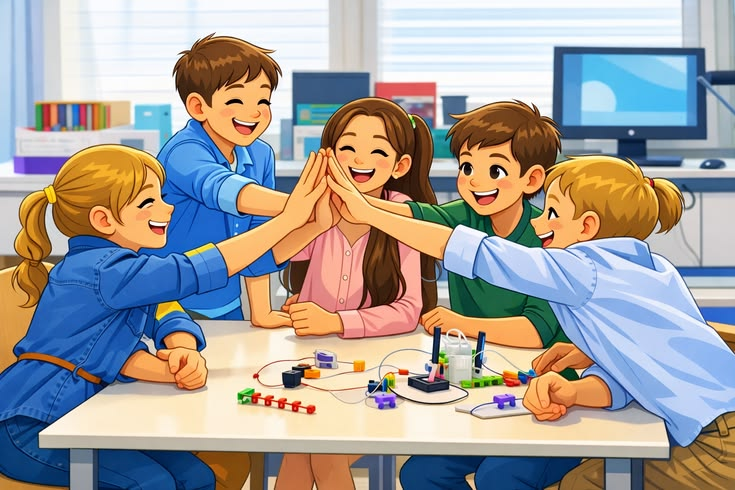
School holidays are one of the happiest times in a student’s life. After months of classes, homework, tests, and strict schedules, students finally get the chance to relax and enjoy their free time. Holidays provide a much-needed break from academic pressure and daily routines. They also create opportunities for students to spend time with family, travel to new places, learn new skills, and enjoy different activities that are difficult to manage during regular school days.
For students of all ages, school holidays bring excitement and joy. Many children wait eagerly for vacation because it allows them to wake up late, play games, watch movies, and enjoy life without worrying about school assignments. At the same time, holidays are not only about entertainment. They are also important for emotional, mental, and physical development. A balanced school holiday can help students return to school feeling refreshed, motivated, and ready to learn again.
In today’s busy world, students often experience stress because of heavy workloads and competition. School holidays give them time to recover from this pressure and focus on activities that bring happiness and peace. Whether students spend their vacations at home or travel to another place, holidays can become a memorable and meaningful experience.
Why School Holidays Are Important
School holidays play an important role in every student’s life. They are not simply days away from school. Holidays help students rest their minds and bodies after long periods of study. During regular school days, students wake up early, attend classes, complete homework, prepare for exams, and follow strict schedules. This routine can become tiring after several months.
A holiday gives students the chance to relax and reduce stress. When students take proper breaks, they usually feel happier and more energetic. As a result, they can perform better when school starts again.
School holidays also improve mental health. Students often feel pressure from grades, expectations, and competition. Vacations create space for relaxation and enjoyment, which can improve mood and confidence. Spending time doing favorite activities helps students feel emotionally balanced and refreshed.
Another important benefit of school holidays is freedom. Students can decide how they want to spend their time. Some enjoy sports, while others prefer reading, traveling, painting, or learning something new. This freedom encourages creativity and personal growth.
Different Types of School Holidays
Schools usually provide several kinds of holidays throughout the year. Each type of vacation has its own purpose and importance.
Summer Holidays
Summer holidays are usually the longest break in the academic year. Most students look forward to summer vacation because it lasts for several weeks. During this period, students can travel, relax, and spend time outdoors.
Many families plan trips during summer holidays. Beaches, mountains, parks, and historical places become popular destinations. Summer holidays are often filled with adventure, fun, and unforgettable memories.
Winter Holidays
Winter holidays are another enjoyable break for students. These vacations often include festivals and family gatherings. In colder countries, children enjoy snow activities such as skiing, ice skating, and building snowmen.
Winter holidays also create a warm and peaceful atmosphere at home. Families spend time together, enjoy delicious meals, and celebrate cultural traditions.
Public and Religious Holidays
Schools also close during national celebrations and religious festivals. These holidays help students learn more about their culture, traditions, and history. Celebrating important events allows children to understand the values and beliefs of their communities.
Public holidays often include parades, ceremonies, and cultural programs that make learning enjoyable outside the classroom.
Traveling During School Holidays
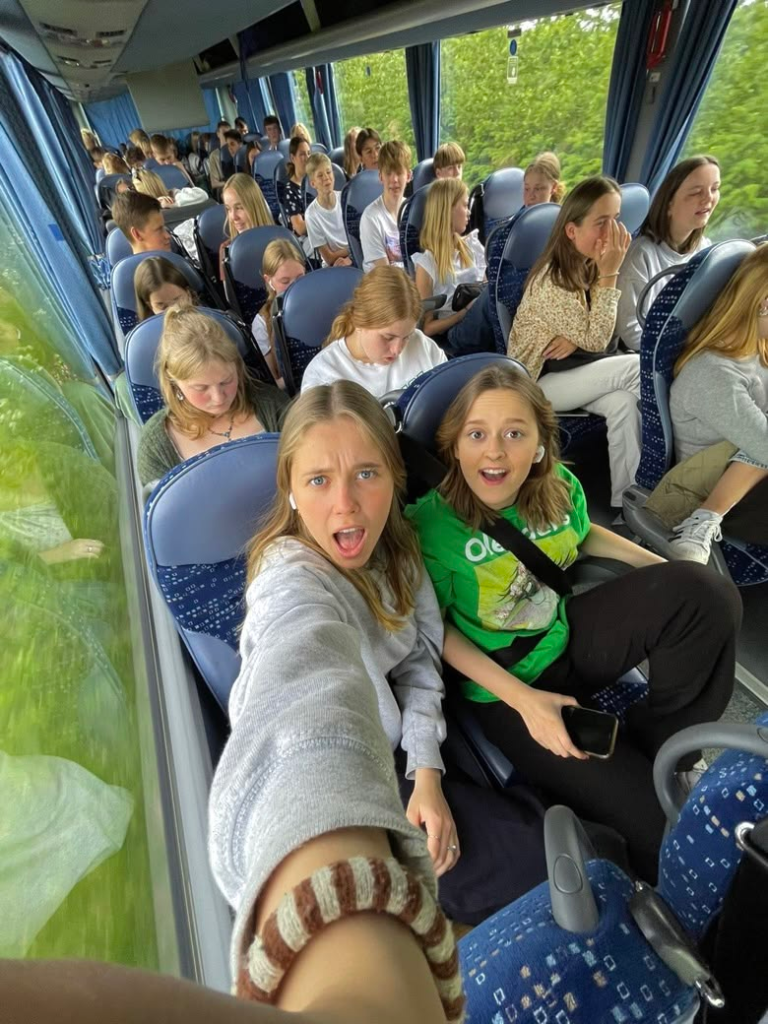
Traveling is one of the most exciting parts of school holidays. Many families use vacation time to visit different cities or countries. Traveling gives students a chance to explore new places, meet different people, and learn about other cultures.
Visiting historical sites, museums, parks, and famous landmarks can be both fun and educational. Students often learn more from practical experiences than from textbooks alone. For example, visiting a historical monument can help students better understand history and culture.
Traveling also improves social and communication skills. When students meet people from different backgrounds, they become more confident and open-minded. They learn how to respect different traditions and lifestyles.
Even short trips can create happy memories. A picnic in a nearby park, a visit to a village, or a day at the beach can make a holiday special and refreshing.
Spending Quality Time With Family
One of the greatest advantages of school holidays is the opportunity to spend more time with family. During school days, students and parents often have busy schedules. Holidays allow families to relax together and strengthen their relationships.
Families may watch movies, cook meals, play games, or travel together during vacations. These simple activities help children feel loved, supported, and emotionally secure.
Many students also visit grandparents and relatives during holidays. Listening to family stories, sharing meals, and celebrating traditions create meaningful memories that last for years.
Family time is especially important for younger children because it helps build trust and emotional connection. Parents can also guide children toward positive habits and productive activities during vacations.
Learning New Skills During Holidays
School holidays are a perfect time to learn something new. Since students have fewer academic responsibilities, they can focus on hobbies and interests that may not fit into their normal school schedule.
Some students enjoy learning music, drawing, painting, photography, or cooking. Others may join sports clubs or attend workshops to improve their talents. These activities increase confidence and encourage creativity.
Technology has also made learning easier than ever. Many students use online courses to study coding, graphic design, languages, or other useful skills during holidays. Learning outside the classroom often feels more enjoyable because students can study at their own pace.
Developing new skills during vacations can also help students discover future career interests. A child who loves writing may become an author or journalist in the future. Similarly, a student interested in science experiments may choose a scientific career later in life.
Importance of Outdoor Activities
Outdoor activities are an important part of a healthy school holiday. During the academic year, many students spend long hours sitting in classrooms or studying at home. Holidays provide a chance to move around and enjoy physical activities.
Sports such as football, cricket, basketball, badminton, and swimming improve fitness and energy levels. Outdoor games also teach teamwork, discipline, and leadership.
Nature-related activities such as hiking, camping, and gardening can also make vacations meaningful. Spending time in natural environments helps reduce stress and improves mental health.
In today’s digital age, outdoor play is more important than ever. Many children spend too much time using mobile phones, tablets, or computers. While technology can be useful, too much screen time may affect physical health and social interaction.
Outdoor activities create a healthy balance between technology and active living. They encourage students to stay healthy and develop stronger social skills.
Balancing Fun and Study
Although holidays are meant for relaxation, maintaining some level of learning is also important. Many students forget lessons during long vacations because they completely stop studying. A balanced routine can help students enjoy themselves while staying academically active.
Reading books is one of the best ways to continue learning during holidays. Storybooks, biographies, and educational magazines improve vocabulary, imagination, and critical thinking skills.
Some students revise difficult subjects during vacations to improve their academic performance. Short study sessions can prevent stress when school reopens. However, students should avoid spending their entire holiday studying because relaxation is equally necessary.
Teachers often assign holiday homework to keep students connected with learning. While students may not always enjoy assignments, these tasks can help maintain study habits and discipline.
School Holidays and Mental Health
Mental health has become an important topic in education. Students today face pressure from exams, competition, and social expectations. School holidays provide valuable time for emotional recovery.
Relaxation during vacations reduces anxiety and improves mood. Students who take proper breaks often return to school feeling more motivated and focused.
Creative hobbies, physical exercise, and spending time with loved ones can improve emotional balance and confidence. Holidays also give students time to think about their goals and interests without academic pressure.
Parents should encourage open communication during vacations. Talking to children about their feelings and experiences can strengthen trust and emotional support within the family.
A peaceful holiday can improve both mental and emotional well-being. Students who feel emotionally healthy usually perform better in school and maintain stronger relationships with others.
Encouraging Creativity During Holidays
Creativity often grows during free time. Without strict schedules and constant assignments, students have more opportunities to think freely and explore their imagination.
Many students enjoy writing stories, creating crafts, drawing pictures, or learning music during holidays. These activities help children express themselves and develop unique talents.
Creative hobbies also improve problem-solving abilities. Students learn patience, focus, and independent thinking while working on artistic projects.
Parents and teachers should encourage creativity because it helps children build confidence and emotional expression. Sometimes a simple hobby discovered during a holiday can become a lifelong passion or successful career.
The Role of Friendship During Holidays
Friendships are an important part of student life, and school holidays give children more time to connect with friends. During vacations, students often arrange picnics, sports matches, movie nights, and gaming sessions together.
These shared experiences create happy memories and strengthen social bonds. Friendships also help students improve communication and teamwork skills.
Spending time with friends teaches cooperation, understanding, and respect for different opinions. However, students should choose positive friendships that encourage healthy habits and good behavior.
Balanced social interaction during holidays can increase confidence and reduce feelings of loneliness or stress.
Productive Ways to Spend a School Holiday
There are many productive ways to enjoy school holidays while still having fun. Students can create simple goals to make their vacations meaningful and organized.
Some useful activities include reading books, practicing hobbies, learning skills, helping parents, exercising regularly, or volunteering in the community.
Helping parents with household tasks teaches responsibility and independence. Volunteering activities such as planting trees or helping poor children can also develop kindness and empathy.
Students may also keep journals to record their holiday experiences. Writing about daily activities can improve writing skills and preserve special memories.
Time management is another valuable skill students can learn during holidays. Planning a balanced daily routine teaches discipline and responsibility.
The Importance of Rest and Relaxation
Rest is one of the main purposes of school holidays. Continuous studying without breaks can lead to exhaustion and reduced motivation. Students need time to recover physically and mentally.
Good sleep during vacations improves concentration, memory, and mood. Many students use holidays to relax after stressful exams and busy school schedules.
Relaxation also supports creativity and emotional balance. Students often return to school feeling happier and more energetic after a peaceful holiday.
Parents and teachers should understand that rest is not laziness. Healthy breaks are necessary for successful learning and personal growth.
Technology and School Holidays
Technology has changed the way students spend their holidays. Many children now use smartphones, computers, and tablets during vacations for entertainment and learning.
Online classes, educational videos, and language apps allow students to continue learning outside school. Technology also helps students stay connected with friends and family members.
However, excessive screen time can create problems. Spending too many hours on social media or video games may reduce physical activity and affect mental health.
Students should maintain a healthy balance between digital activities and outdoor experiences. Using technology wisely can make holidays both educational and enjoyable.
School Holidays and Cultural Learning
School holidays can also help students learn more about culture and traditions. During festivals and family celebrations, children experience customs, food, music, and cultural practices that may not be taught in classrooms.
Traveling to different regions exposes students to different languages, clothing styles, and lifestyles. These experiences increase cultural awareness and respect for diversity.
Learning about traditions during holidays helps students understand their identity and appreciate the richness of different cultures around the world.
Building Confidence During Holidays
School holidays can help students become more independent and confident. During vacations, children often try new activities, meet new people, and face unfamiliar situations.
Simple experiences such as traveling, joining a sports club, or learning a new skill can improve self-confidence. Students feel proud when they achieve personal goals outside academics.
Confidence developed during holidays can also improve classroom performance and communication skills when school begins again.
Creating Lifelong Memories
School holidays often become some of the happiest memories in life. Family trips, games with friends, and relaxing evenings create moments that students remember for many years.
Even simple experiences such as sharing meals, watching sunsets, or laughing together can become meaningful memories.
Photographs, journals, and souvenirs help preserve these moments. Looking back at old holiday memories often brings happiness and nostalgia.
The emotional value of holidays is one reason they are so important in childhood and teenage life.
Conclusion
School holidays are much more than a break from classes. They are a valuable time for relaxation, creativity, family bonding, learning, and personal growth. Holidays help students recover from academic stress while exploring new experiences and interests.
Whether students travel to exciting places, enjoy outdoor activities, learn new skills, or simply relax at home, every holiday offers opportunities for happiness and development. A balanced vacation improves mental health, strengthens relationships, and prepares students for future academic challenges.
In the end, school holidays play an essential role in a student’s overall well-being. They create joyful memories, encourage creativity, and provide the energy needed for success in school and life. When used wisely, a school holiday becomes the perfect combination of fun, learning, relaxation, and personal growth.School holidays are one of the happiest times in a student’s life. After months of classes, homework, tests, and strict schedules, students finally get the chance to relax and enjoy their free time. Holidays provide a much-needed break from academic pressure and daily routines. They also create opportunities for students to spend time with family, travel to new places, learn new skills, and enjoy different activities that are difficult to manage during regular school days.
For students of all ages, school holidays bring excitement and joy. Many children wait eagerly for vacation because it allows them to wake up late, play games, watch movies, and enjoy life without worrying about school assignments. At the same time, holidays are not only about entertainment. They are also important for emotional, mental, and physical development. A balanced school holiday can help students return to school feeling refreshed, motivated, and ready to learn again.
In today’s busy world, students often experience stress because of heavy workloads and competition. School holidays give them time to recover from this pressure and focus on activities that bring happiness and peace. Whether students spend their vacations at home or travel to another place, holidays can become a memorable and meaningful experience.
Why School Holidays Are Important
School holidays play an important role in every student’s life. They are not simply days away from school. Holidays help students rest their minds and bodies after long periods of study. During regular school days, students wake up early, attend classes, complete homework, prepare for exams, and follow strict schedules. This routine can become tiring after several months.
A holiday gives students the chance to relax and reduce stress. When students take proper breaks, they usually feel happier and more energetic. As a result, they can perform better when school starts again.
School holidays also improve mental health. Students often feel pressure from grades, expectations, and competition. Vacations create space for relaxation and enjoyment, which can improve mood and confidence. Spending time doing favorite activities helps students feel emotionally balanced and refreshed.
Another important benefit of school holidays is freedom. Students can decide how they want to spend their time. Some enjoy sports, while others prefer reading, traveling, painting, or learning something new. This freedom encourages creativity and personal growth.
Different Types of School Holidays
Schools usually provide several kinds of holidays throughout the year. Each type of vacation has its own purpose and importance.
Summer Holidays
Summer holidays are usually the longest break in the academic year. Most students look forward to summer vacation because it lasts for several weeks. During this period, students can travel, relax, and spend time outdoors.
Many families plan trips during summer holidays. Beaches, mountains, parks, and historical places become popular destinations. Summer holidays are often filled with adventure, fun, and unforgettable memories.
Winter Holidays
Winter holidays are another enjoyable break for students. These vacations often include festivals and family gatherings. In colder countries, children enjoy snow activities such as skiing, ice skating, and building snowmen.
Winter holidays also create a warm and peaceful atmosphere at home. Families spend time together, enjoy delicious meals, and celebrate cultural traditions.
Public and Religious Holidays
Schools also close during national celebrations and religious festivals. These holidays help students learn more about their culture, traditions, and history. Celebrating important events allows children to understand the values and beliefs of their communities.
Public holidays often include parades, ceremonies, and cultural programs that make learning enjoyable outside the classroom.
Traveling During School Holidays
Traveling is one of the most exciting parts of school holidays. Many families use vacation time to visit different cities or countries. Traveling gives students a chance to explore new places, meet different people, and learn about other cultures.
Visiting historical sites, museums, parks, and famous landmarks can be both fun and educational. Students often learn more from practical experiences than from textbooks alone. For example, visiting a historical monument can help students better understand history and culture.
Traveling also improves social and communication skills. When students meet people from different backgrounds, they become more confident and open-minded. They learn how to respect different traditions and lifestyles.
Even short trips can create happy memories. A picnic in a nearby park, a visit to a village, or a day at the beach can make a holiday special and refreshing.
Spending Quality Time With Family
One of the greatest advantages of school holidays is the opportunity to spend more time with family. During school days, students and parents often have busy schedules. Holidays allow families to relax together and strengthen their relationships.
Families may watch movies, cook meals, play games, or travel together during vacations. These simple activities help children feel loved, supported, and emotionally secure.
Many students also visit grandparents and relatives during holidays. Listening to family stories, sharing meals, and celebrating traditions create meaningful memories that last for years.
Family time is especially important for younger children because it helps build trust and emotional connection. Parents can also guide children toward positive habits and productive activities during vacations.
Learning New Skills During Holidays
School holidays are a perfect time to learn something new. Since students have fewer academic responsibilities, they can focus on hobbies and interests that may not fit into their normal school schedule.
Some students enjoy learning music, drawing, painting, photography, or cooking. Others may join sports clubs or attend workshops to improve their talents. These activities increase confidence and encourage creativity.
Technology has also made learning easier than ever. Many students use online courses to study coding, graphic design, languages, or other useful skills during holidays. Learning outside the classroom often feels more enjoyable because students can study at their own pace.
Developing new skills during vacations can also help students discover future career interests. A child who loves writing may become an author or journalist in the future. Similarly, a student interested in science experiments may choose a scientific career later in life.
Importance of Outdoor Activities
Outdoor activities are an important part of a healthy school holiday. During the academic year, many students spend long hours sitting in classrooms or studying at home. Holidays provide a chance to move around and enjoy physical activities.
Sports such as football, cricket, basketball, badminton, and swimming improve fitness and energy levels. Outdoor games also teach teamwork, discipline, and leadership.
Nature-related activities such as hiking, camping, and gardening can also make vacations meaningful. Spending time in natural environments helps reduce stress and improves mental health.
In today’s digital age, outdoor play is more important than ever. Many children spend too much time using mobile phones, tablets, or computers. While technology can be useful, too much screen time may affect physical health and social interaction.
Outdoor activities create a healthy balance between technology and active living. They encourage students to stay healthy and develop stronger social skills.
Balancing Fun and Study
Although holidays are meant for relaxation, maintaining some level of learning is also important. Many students forget lessons during long vacations because they completely stop studying. A balanced routine can help students enjoy themselves while staying academically active.
Reading books is one of the best ways to continue learning during holidays. Storybooks, biographies, and educational magazines improve vocabulary, imagination, and critical thinking skills.
Some students revise difficult subjects during vacations to improve their academic performance. Short study sessions can prevent stress when school reopens. However, students should avoid spending their entire holiday studying because relaxation is equally necessary.
Teachers often assign holiday homework to keep students connected with learning. While students may not always enjoy assignments, these tasks can help maintain study habits and discipline.
School Holidays and Mental Health
Mental health has become an important topic in education. Students today face pressure from exams, competition, and social expectations. School holidays provide valuable time for emotional recovery.
Relaxation during vacations reduces anxiety and improves mood. Students who take proper breaks often return to school feeling more motivated and focused.
Creative hobbies, physical exercise, and spending time with loved ones can improve emotional balance and confidence. Holidays also give students time to think about their goals and interests without academic pressure.
Parents should encourage open communication during vacations. Talking to children about their feelings and experiences can strengthen trust and emotional support within the family.
A peaceful holiday can improve both mental and emotional well-being. Students who feel emotionally healthy usually perform better in school and maintain stronger relationships with others.
Encouraging Creativity During Holidays
Creativity often grows during free time. Without strict schedules and constant assignments, students have more opportunities to think freely and explore their imagination.
Many students enjoy writing stories, creating crafts, drawing pictures, or learning music during holidays. These activities help children express themselves and develop unique talents.
Creative hobbies also improve problem-solving abilities. Students learn patience, focus, and independent thinking while working on artistic projects.
Parents and teachers should encourage creativity because it helps children build confidence and emotional expression. Sometimes a simple hobby discovered during a holiday can become a lifelong passion or successful career.
The Role of Friendship During Holidays
Friendships are an important part of student life, and school holidays give children more time to connect with friends. During vacations, students often arrange picnics, sports matches, movie nights, and gaming sessions together.
These shared experiences create happy memories and strengthen social bonds. Friendships also help students improve communication and teamwork skills.
Spending time with friends teaches cooperation, understanding, and respect for different opinions. However, students should choose positive friendships that encourage healthy habits and good behavior.
Balanced social interaction during holidays can increase confidence and reduce feelings of loneliness or stress.
Productive Ways to Spend a School Holiday
There are many productive ways to enjoy school holidays while still having fun. Students can create simple goals to make their vacations meaningful and organized.
Some useful activities include reading books, practicing hobbies, learning skills, helping parents, exercising regularly, or volunteering in the community.
Helping parents with household tasks teaches responsibility and independence. Volunteering activities such as planting trees or helping poor children can also develop kindness and empathy.
Students may also keep journals to record their holiday experiences. Writing about daily activities can improve writing skills and preserve special memories.
Time management is another valuable skill students can learn during holidays. Planning a balanced daily routine teaches discipline and responsibility.
The Importance of Rest and Relaxation
Rest is one of the main purposes of school holidays. Continuous studying without breaks can lead to exhaustion and reduced motivation. Students need time to recover physically and mentally.
Good sleep during vacations improves concentration, memory, and mood. Many students use holidays to relax after stressful exams and busy school schedules.
Relaxation also supports creativity and emotional balance. Students often return to school feeling happier and more energetic after a peaceful holiday.
Parents and teachers should understand that rest is not laziness. Healthy breaks are necessary for successful learning and personal growth.
Technology and School Holidays
Technology has changed the way students spend their holidays. Many children now use smartphones, computers, and tablets during vacations for entertainment and learning.
Online classes, educational videos, and language apps allow students to continue learning outside school. Technology also helps students stay connected with friends and family members.
However, excessive screen time can create problems. Spending too many hours on social media or video games may reduce physical activity and affect mental health.
Students should maintain a healthy balance between digital activities and outdoor experiences. Using technology wisely can make holidays both educational and enjoyable
Building Confidence During Holidays
School holidays can help students become more independent and confident. During vacations, children often try new activities, meet new people, and face unfamiliar situations.
Simple experiences such as traveling, joining a sports club, or learning a new skill can improve self-confidence. Students feel proud when they achieve personal goals outside academics.
Confidence developed during holidays can also improve classroom performance and communication skills when school begins again.
Creating Lifelong Memories
School holidays often become some of the happiest memories in life. Family trips, games with friends, and relaxing evenings create moments that students remember for many years.
Even simple experiences such as sharing meals, watching sunsets, or laughing together can become meaningful memories.
Photographs, journals, and souvenirs help preserve these moments. Looking back at old holiday memories often brings happiness and nostalgia.
The emotional value of holidays is one reason they are so important in childhood and teenage life.
Conclusion
School holidays are much more than a break from classes. They are a valuable time for relaxation, creativity, family bonding, learning, and personal growth. Holidays help students recover from academic stress while exploring new experiences and interests.
Whether students travel to exciting places, enjoy outdoor activities, learn new skills, or simply relax at home, every holiday offers opportunities for happiness and development. A balanced vacation improves mental health, strengthens relationships, and prepares students for future academic challenges.
In the end, school holidays play an essential role in a student’s overall well-being. They create joyful memories, encourage creativity, and provide the energy needed for success in school and life. When used wisely, a school holiday becomes the perfect combination of fun, learning, relaxation, and personal growth.
