


Introduction
School is one of the most important institutions in human life because it shapes the future of individuals and societies. From early childhood, students enter school to gain knowledge, develop skills, and build their personality. The role of school goes far beyond reading books and passing exams. It is a structured environment where discipline, creativity, and social values are developed together. In modern society, school education is considered the foundation of success because it prepares students for real-world challenges. Every professional career, whether in science, business, arts, or technology, begins with school learning. Without proper education in school, it becomes difficult to understand advanced concepts in life. School also helps students build confidence, communication skills, and problem-solving abilities. These skills are essential in both personal and professional life. In addition, school provides opportunities for students to interact with others, which improves teamwork and emotional intelligence. Therefore, understanding the importance of school is essential for students, parents, and educators who want to build a successful future for the next generation.
What is School?
School is an educational institution designed to provide structured learning to students under the guidance of trained teachers. It is a place where children learn academic subjects such as mathematics, science, languages, and social studies. However, school is not limited to academic knowledge only. It also focuses on moral education, discipline, and social development. A school usually has different levels including primary, middle, and high school, where each level builds on the previous one. The main purpose of school is to prepare students for higher education and future careers. It provides a controlled environment where learning becomes systematic and progressive. Students follow a timetable, complete assignments, and participate in exams to measure their progress. School also encourages participation in sports, cultural programs, and group activities, which help in personality development. In simple terms, school is the foundation of education that builds the base for lifelong learning and success.
Why is School Important?
School plays a vital role in shaping a successful and responsible individual. One of the main reasons school is important is that it provides basic education required for survival in modern society. It teaches students how to read, write, and understand basic mathematics, which are necessary for everyday life. School also develops discipline and time management skills, which are essential for achieving goals. Another important factor is that school helps in intellectual development by introducing different subjects and ideas that improve thinking ability. It also builds social skills by allowing students to interact with peers, teachers, and groups. This interaction improves communication and confidence. School is also important because it opens doors to career opportunities. Without school education, it becomes difficult to pursue higher studies or professional careers. In addition, school helps in building values such as respect, honesty, and responsibility. These values are important for becoming a good citizen.
Detailed Step-by-Step Guide to School Learning
Early Learning Stage
In the early stage of school, students are introduced to basic concepts such as alphabets, numbers, and simple communication skills. This stage focuses on building curiosity and interest in learning. Teachers use creative methods like storytelling and activities to make learning enjoyable.
Primary Education Stage
At this level, students start learning core subjects such as English, mathematics, science, and social studies. The focus is on strengthening basic knowledge and improving reading and writing skills. School plays a key role in developing discipline and study habits during this stage.
Middle Education Stage
Middle school introduces more detailed subjects and concepts. Students begin to develop analytical thinking and problem-solving skills. Subjects become more complex, and students are encouraged to explore their interests. School at this stage helps in shaping future academic direction.
High School Stage
High school is one of the most important phases in school education. Students choose subjects based on their interests and career goals. The focus shifts towards preparing for college and professional life. Exams and assessments become more competitive and structured.
Extracurricular Activities
Apart from academics, school also provides extracurricular activities such as sports, debates, arts, and clubs. These activities help students develop creativity, leadership, and teamwork skills. They also improve mental health and reduce academic stress.
Benefits of School
- Provides structured education and knowledge development
- Builds discipline and time management skills
- Improves communication and social interaction abilities
- Develops critical thinking and problem-solving skills
- Prepares students for higher education and careers
- Encourages teamwork and leadership qualities
- Enhances creativity through activities and programs
- Builds confidence and personality development
- Teaches moral values and responsibility
- Helps in emotional and mental development
Disadvantages / Risks of School
- Academic pressure can create stress in students
- Large class sizes may reduce individual attention
- High competition can affect mental well-being
- Some schools may lack modern facilities
- Financial burden of private education
- Limited flexibility in learning methods
- Focus on exams may reduce creativity
Common Mistakes to Avoid in School Life
Many students struggle in school due to avoidable mistakes. One common mistake is poor time management, which leads to incomplete studies. Another mistake is relying only on memorization instead of understanding concepts. Students often ignore revision, which affects long-term memory. Some students also avoid participation in class activities, which reduces confidence. Another mistake is comparing themselves with others instead of focusing on personal growth. Irregular attendance is also a major issue that impacts academic performance. Avoiding these mistakes can significantly improve success in school.
FAQs
Why is school important for children?
School is important for children because it provides basic education, builds discipline, and develops essential life skills that are needed for future success.
What is the main purpose of school?
The main purpose of school is to educate students, develop their skills, and prepare them for higher education and professional life.
How does school help in personality development?
School helps in personality development by encouraging communication, teamwork, leadership, and participation in different activities.
What subjects are taught in school?
Common subjects include mathematics, science, English, social studies, and computer studies. Some schools also offer arts and physical education.
How can students succeed in school?
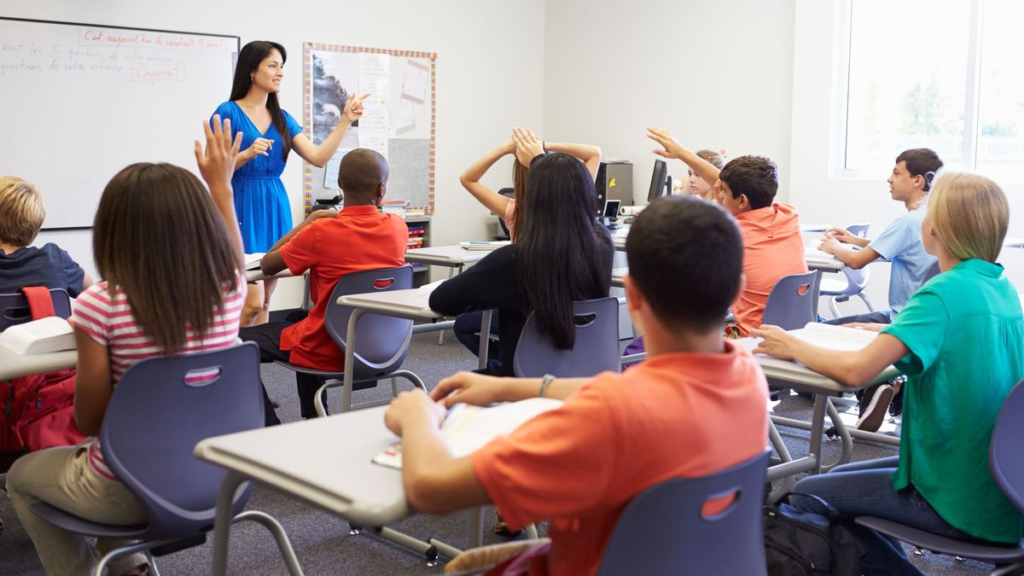
Students can succeed by attending classes regularly, managing time effectively, understanding concepts, and practicing consistently.
What challenges do students face in school?
Students often face challenges such as exams, academic pressure, competition, and balancing studies with activities.
Expert Tips & Bonus Points
Experts suggest that students should focus on understanding concepts rather than memorizing information. A proper daily routine is essential for better performance in school. Time management plays a key role in academic success. Regular revision helps in retaining knowledge for a longer time. Participation in extracurricular activities improves creativity and confidence. Students should always ask questions to clear doubts and improve understanding. A positive mindset also helps in achieving better results in school.
Conclusion
School is the foundation of a successful life because it provides education, skills, and values that shape individuals. It plays a major role in intellectual, emotional, and social development. From basic learning to advanced education, school prepares students for every stage of life. It not only focuses on academic knowledge but also builds character and discipline. School helps students develop confidence, communication skills, and problem-solving abilities, which are essential in the modern world. Despite some challenges like pressure and competition, the benefits of school are far greater. It opens doors to higher education and career opportunities. A strong school experience creates responsible and successful individuals who contribute positively to society. Therefore, understanding the importance of school and making the most of educational opportunities is essential for long-term success in life.
